









Speech therapy illustration

The daily companion for speech recovery.

Designed using evidence-based principles to complement your loved one’s therapy at home.

Free, culturally inclusive practice in 12+ languages.

Start practicing

SedaسیداसेदाسيداসেদাਸੇਦਾசெதாSedaسیداसेदाسيداসেদাਸੇਦਾசெதாSedaسیداसेदाسيداসেদাਸੇਦਾசெதாSedaسیداसेदाسيداসেদাਸੇਦਾசெதாSedaسیداसेदाسيداসেদাਸੇਦਾசெதா

SedaسیداसेदाسيداসেদাਸੇਦਾசெதாSedaسیداसेदाسيداসেদাਸੇਦਾசெதாSedaسیداसेदाسيداসেদাਸੇਦਾசெதாSedaسیداसेदाسيداসেদাਸੇਦਾசெதாSedaسیداसेदاسيداসেদাਸੇਦਾசெதா

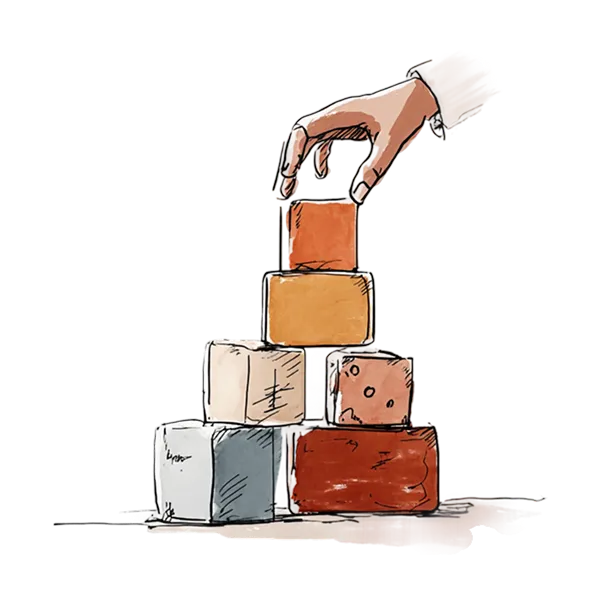
Hand placing wooden blocks representing steps in speech recovery

Getting started

Understanding if Seda is the right tool for you and your loved ones.

Clipboard representing symptom checklist

1. Understand Symptoms

Seda is designed for those experiencing Aphasia: a language disorder often caused by stroke, brain injury, or neurological conditions.

Symptoms include difficulty finding the right words or understanding the meaning of common objects.

Speech-language pathologist consulting with a patient

2. Consult an expert

Successful recovery starts with an expert. We strongly recommend getting a professional diagnosis from a Speech-Language Pathologist (SLP) to ensure Seda fits into their specific clinical therapy plan.

Phone showing Seda Speech Therapy daily practice exercises

3. Begin a daily practice

Neuroplasticity requires high-frequency, repetitive practice to rewire the brain. Once you have a plan with your therapist, use Seda's exercises to build the consistency needed for real progress.

Research

Stack of research papers representing evidence-based therapy

Proven therapy methods

The exercises

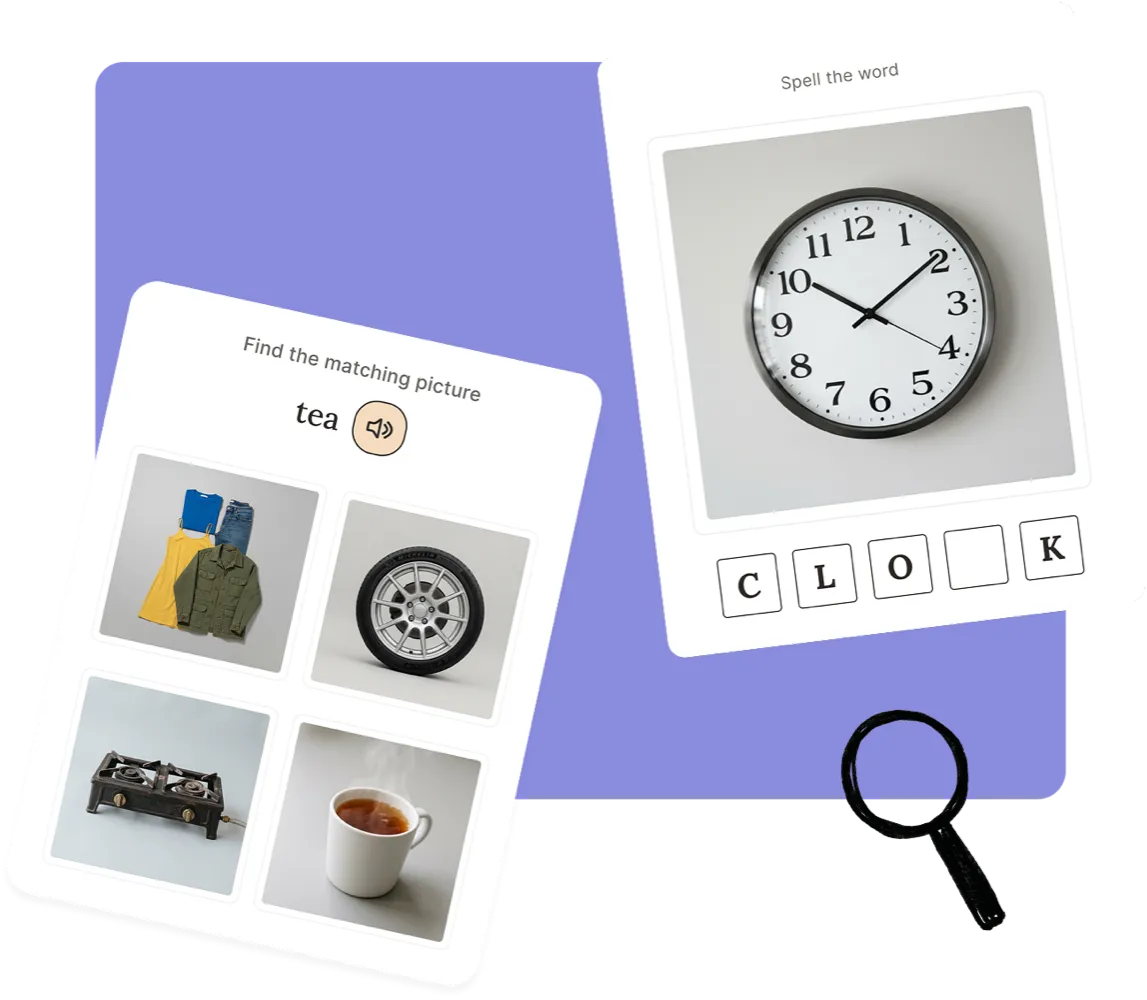
The current set of exercises is designed to aid Word Recall, Comprehension and Writing.*

Word recall utilizes cued naming hierarchies, an evidence-based technique that helps the brain retrieve words by providing semantic and phonemic cues.

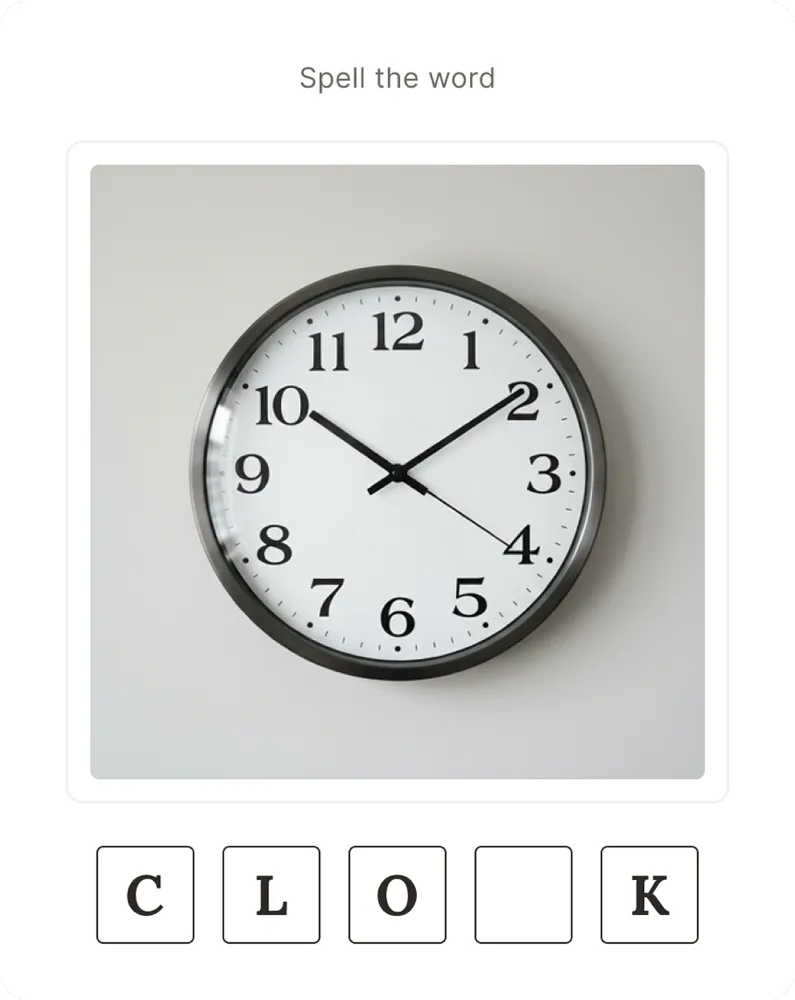
The writing exercise uses elements of Anagram Copy Treatment (ACT), a structured method where patients practice assembling and copying target words to strengthen writing skills.

Research

App screenshot showing comprehension exercise App screenshot showing writing exercise Proven therapy methods

Adaptive learning

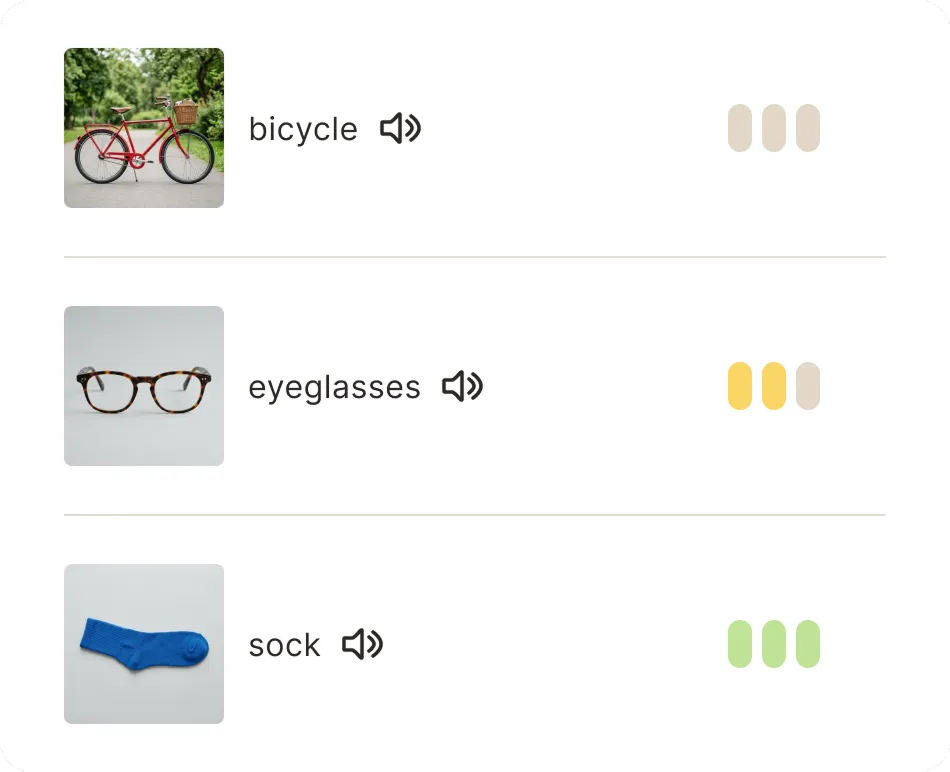
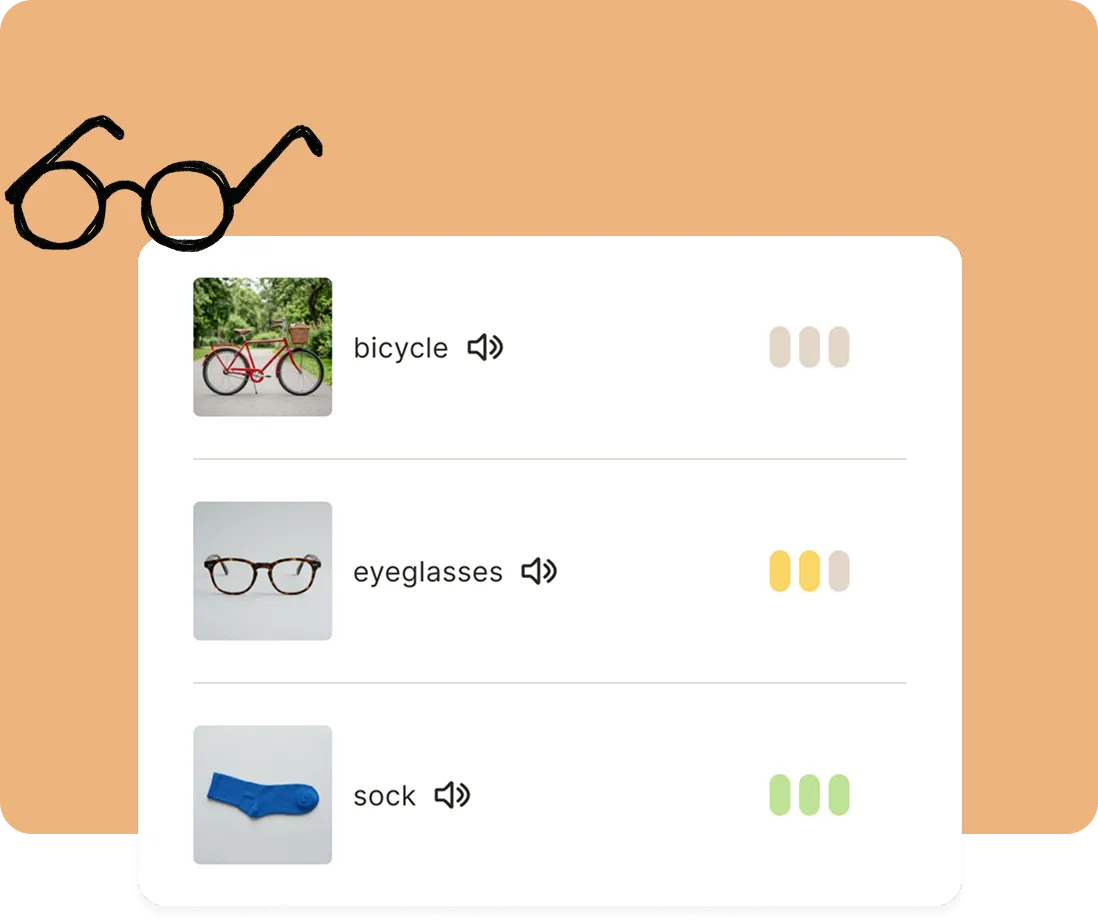
Most apps are repetitive, which can lead to frustration. Seda uses Spaced Retrieval to track exactly what your loved one remembers and what they forget. It automatically spaces out the words they’ve mastered and brings back the harder ones at the perfect time, ensuring they spend their energy on the words that matter most for long-term recovery.

Research

Word list with progress tracking Adaptive learning

Relevant vocabulary

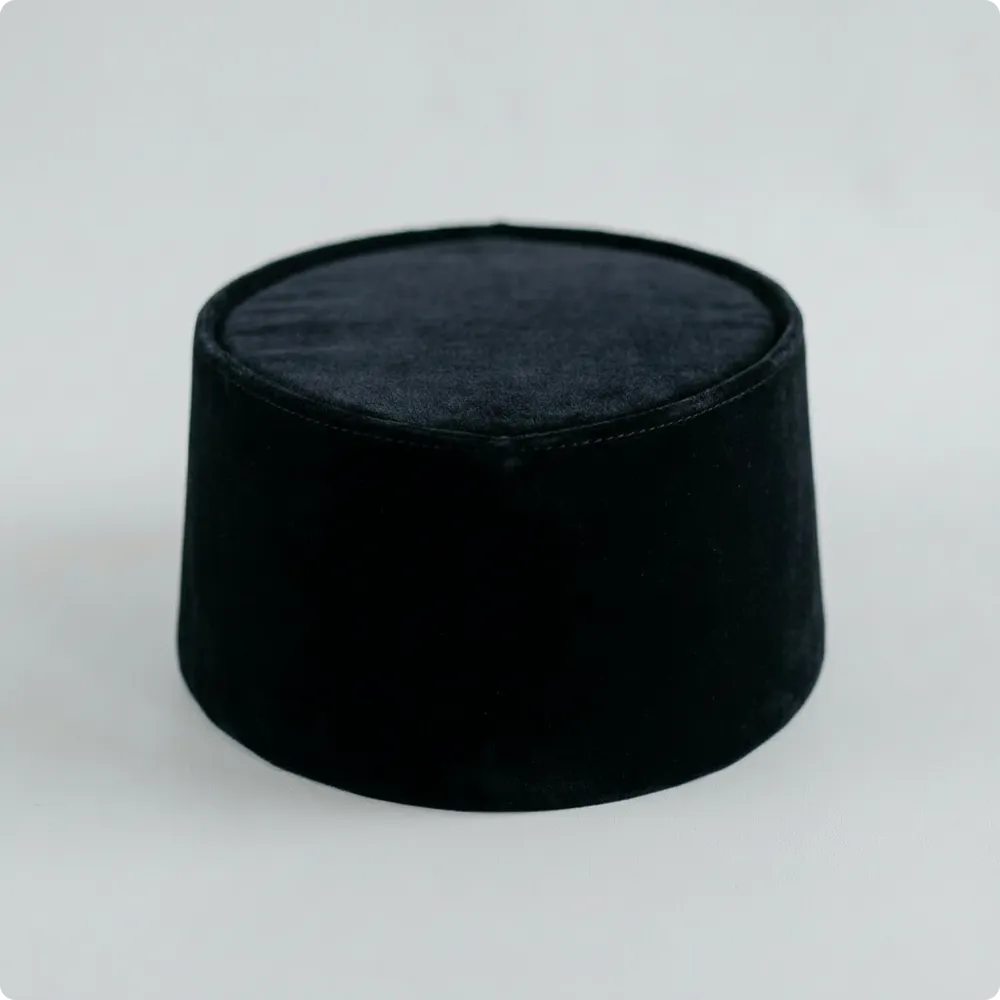
Most tools rely on Western-centric examples that often feel out of place. Seda focus on the vocabulary your family actually uses, with the added flexibility to upload custom items to ensure every session is relevant to the patient’s real-world environment.

Studies consistently show that patients perform significantly better when using personally and culturally relevant materials.

Research

Indonesian peci - culturally relevant vocabulary Traditional food Rickshaw Relevant vocabulary

The story behind Seda

I’m Aymen, a designer specializing in learning.

When my father suffered a stroke last year, I saw that speech therapy tools were often prohibitively expensive, culturally disconnected, or limited to English.

I’m not trying to reinvent the science and simply wanted to use my background in design and education to make proven speech therapy methods accessible, culturally relevant, and easy for families to use at home.

For speech-language professionals

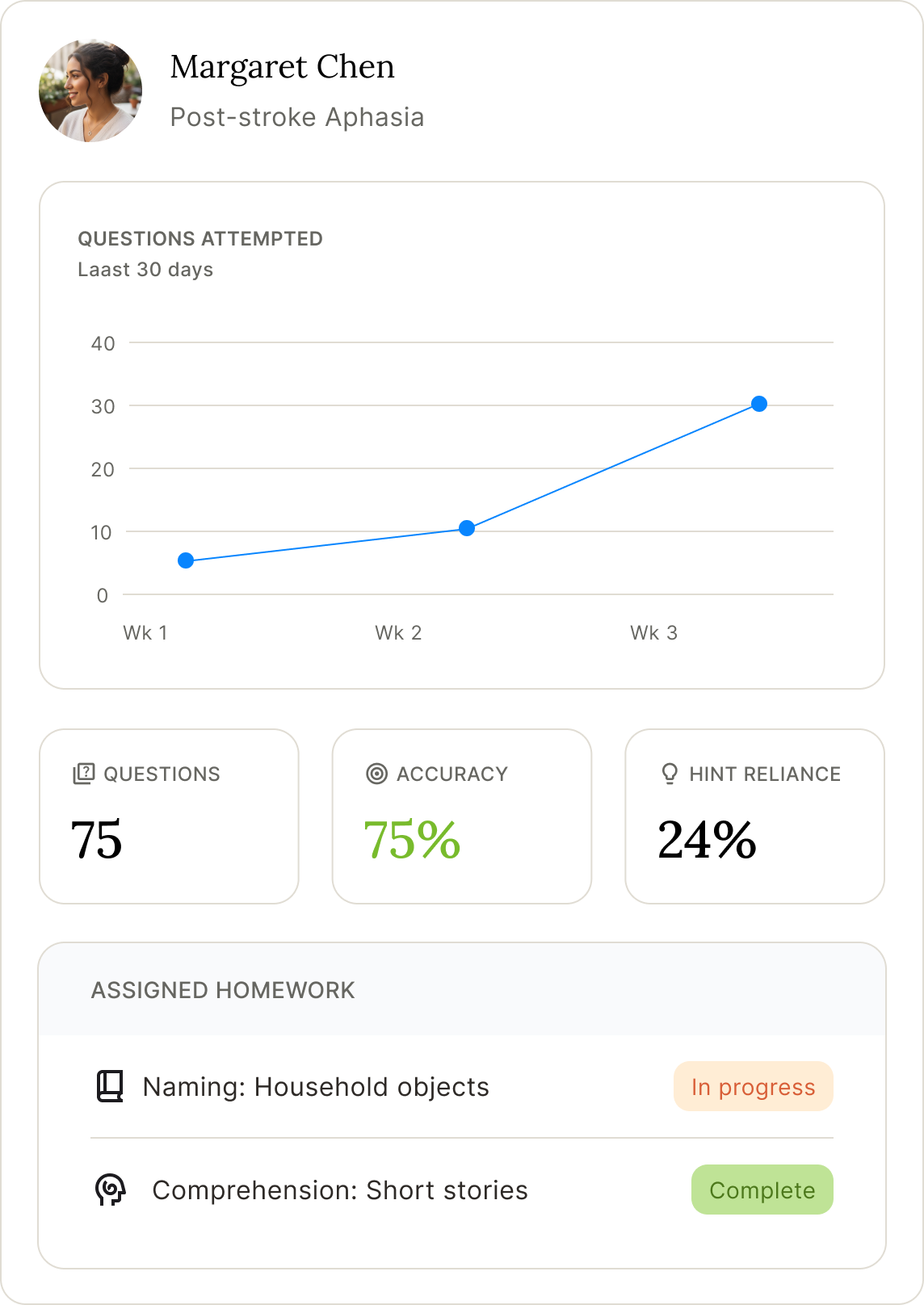
Enhance your experience with the Clinician app, designed to streamline your workflow and improve patient care.

  • Assign homework exercises based on your patients needs.
  • Monitor real-time progress between sessions.
  • Personalize treatment plans with data-driven insights.

We are currently looking for SLPs to help us refine our roadmap and are providing Free Lifetime Access for those who join our pilot program.

Seda Clinician app showing patient progress dashboard
Frequently asked questions about Seda Speech Therapy

FAQ

What languages are supported?

Seda currently support Arabic, Bengali, English, Filipino, Hindi, Indonesian, Marathi, Pashto, Persian, Punjabi, Sindhi, Tamil and Urdu. I'm actively working to add more languages soon.

Does this app replace a speech therapist?

No. Seda is a tool to be used alongside professional therapy. It's recommended to consult a Speech-Language Pathologist (SLP) first to ensure Seda's exercises fit your loved one's specific recovery plan.

Which specific areas of aphasia do the exercises cover?

Seda currently focus on three key areas: Word Recall (finding words patients are thinking of), Concept Comprehension (understanding meanings and objects) and Writing (spelling individual words).


Currently writing exercises are only available in English, Indonesian and Filipino.

Can I use the app remotely with a loved one?

Yes. You can screen-share during a call to practice together from anywhere. You can also use Draw Mode to mark things on the screen as you go.

How much does it cost?

Currently, the app is free to use. As it grows, I may introduce a sustainable pricing model to cover operating costs, but my core mission will always stay the same: making effective speech therapy accessible and affordable.

What devices is the app available on?

The app can be accessed on a web browser from any device. iOS and Android apps will be out soon.

Message sent — we'll be in touch soon!